
Diseases·26 March 2026·5 min read
Hip Dysplasia: Breeds at Risk and What Helps
Genetic hip joint malformation that causes lifelong arthritis - but smart management makes a huge difference.
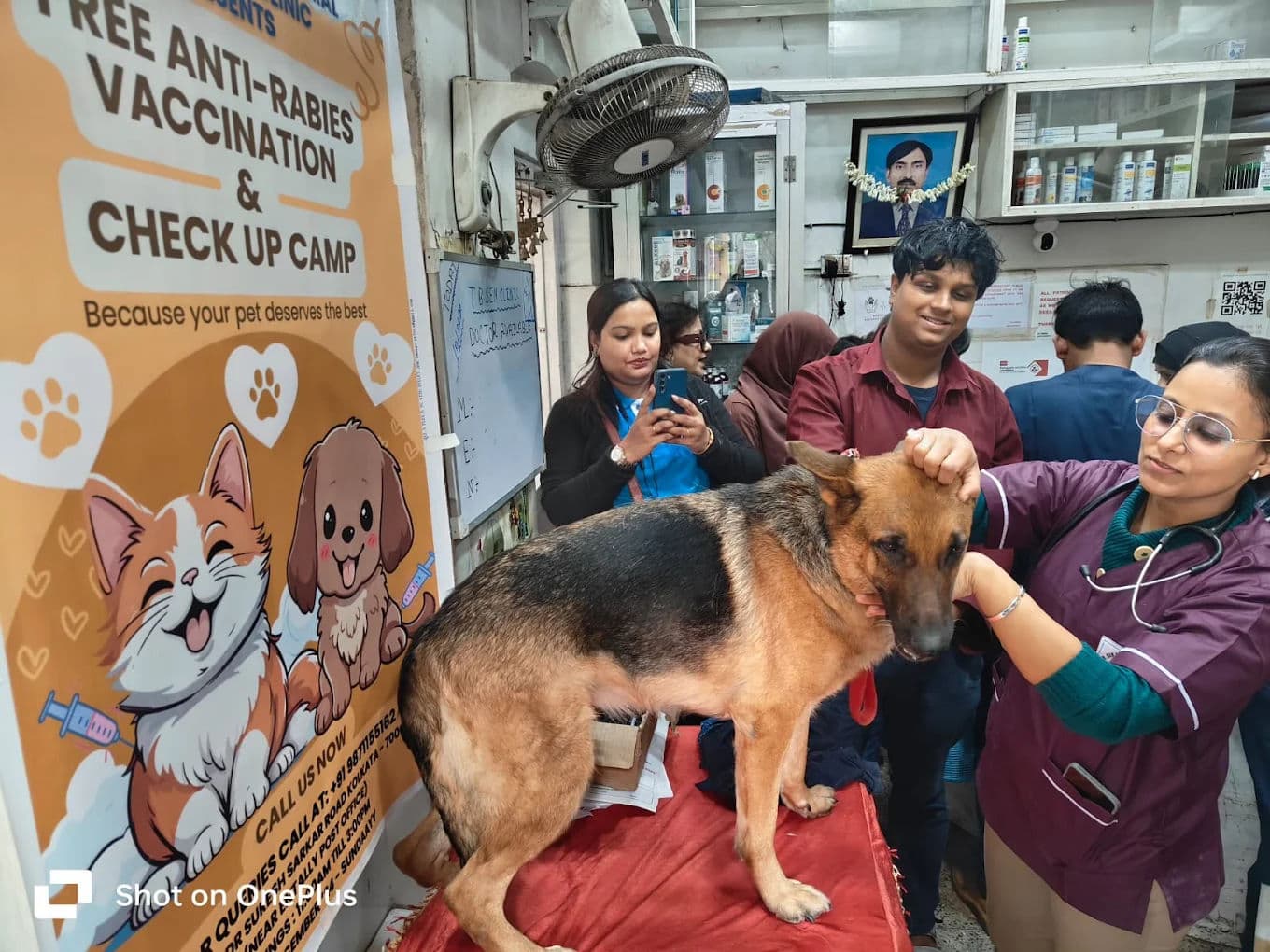
Breeds at highest risk
German Shepherd, Labrador, Golden Retriever, Rottweiler, Saint Bernard, Mastiff, Indian street-dog mixes with large parentage.
When signs appear
- 4-12 months: bunny-hop running, reluctance to climb
- 1-3 years: stiffness after rest, limping
- 5+ years: visible arthritis, muscle loss in hindquarters
What helps long term
- Maintain lean body weight — single biggest factor
- Joint supplements (glucosamine, chondroitin, omega-3) from young
- Low-impact exercise — swimming is gold; running on hard surfaces is not
- Non-slip floors at home — rugs, mats
- Ramps for cars/furniture — reduce jumping
Surgical options
- Femoral head ostectomy (FHO): for end-stage in smaller dogs
- Total hip replacement: gold standard for end-stage; specialised centres only
Prevention
Responsible breeding (PennHIP/OFA scoring of parents). Avoid breeders who do not screen.
At SenVetCare
Hip-screening radiographs from 12 months for at-risk breeds.
Frequently asked
Possibly, possibly normal puppy gait. Examine and X-ray to know.
In mild cases combined with weight management, often yes for years.
Dr. Lily AI is part of SenVetCare's editorial line. Powered by Zoe Websites — the AI veterinary platform.